I recently attended the PPTA Te Wehengarua Education Conference 2023 which was held in Tāmaki Makaurau, Auckland. It was exciting to be amongst educators from across New Zealand and Australia to share ideas and best practice. The speakers were fabulous and not just from the education sector.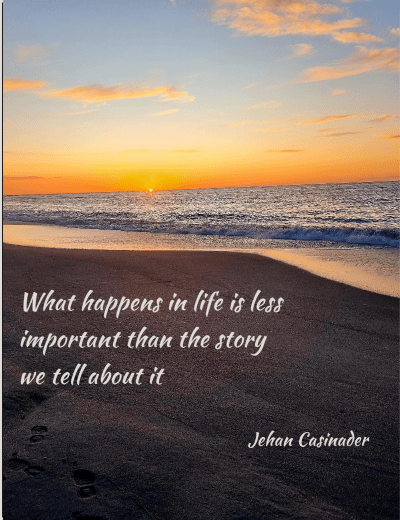
Jehan Casinader, an award winning journalist and mental health advocate spoke about how the stories we tell ourselves shape our future. There are a significant number of New Zealand children growing up in difficult circumstances who lack a positive healthy and hopeful story upon which to build their life. His book This Is Not How It Ends: How Rewriting Your Story Can Save Your Life was written while he was navigating his own way out of depression. Through that period, Jehan came to the understanding that “what happens in life is less important than the story we tell about it” and that the stories we tell ourselves can always be changed. He suggested it’s about switching the story from what’s wrong with you to what’s happened to you. From there, how could you tell a different story using the same facts?
Our interpretation of what actually happened may not be true, perhaps there were elements missing that we weren’t aware of like the influence from other people on us. He posed another question, who’s writing your story? Are we truly in charge of our narrative or have we handed that authority over to someone else? Remembering that we have within us the power to change our stories, and rewrite a positive narrative can help us to take back some power.
Encouraging young people to question the stories they tell themselves by asking “If your life was a Hollywood movie, what character would you be playing in your life right now?”, can be a starting a point for more conversation and understanding.
Through the process of changing the story we can find hope, we can find a new direction, we can find peace within ourselves. A good story is one in which the main character comes out a better, richer and more whole person.